

- New arrivals
- In-stock products
- Mammuthus fossils [673]
- Megaloceros deer fossils [26]
- Bison Bos fossil [53]
- Rhinoceros fossil [34]
- Echinoderms sea urchin fossil [26]
- Plant wood fossils [41]
- Fish and shark fossils [49]
- Ammonites cephalopods [32]
- Mammalian vertebrates fossils [80]
- Dinosaurus fossil [54]
- Shells fossils [16]
- Gastropods fossils [39]
- Coral fossils [4]
- Trilobites & Crabs fossils [25]
- Minerals [25]
- Insect fossils [14]
- Other Fossils [16]
- Books, literature [11]
- Mineral Gemstone necklaces, beads [14]
Mammuthus meridionalis partial tooth (1852 grams)
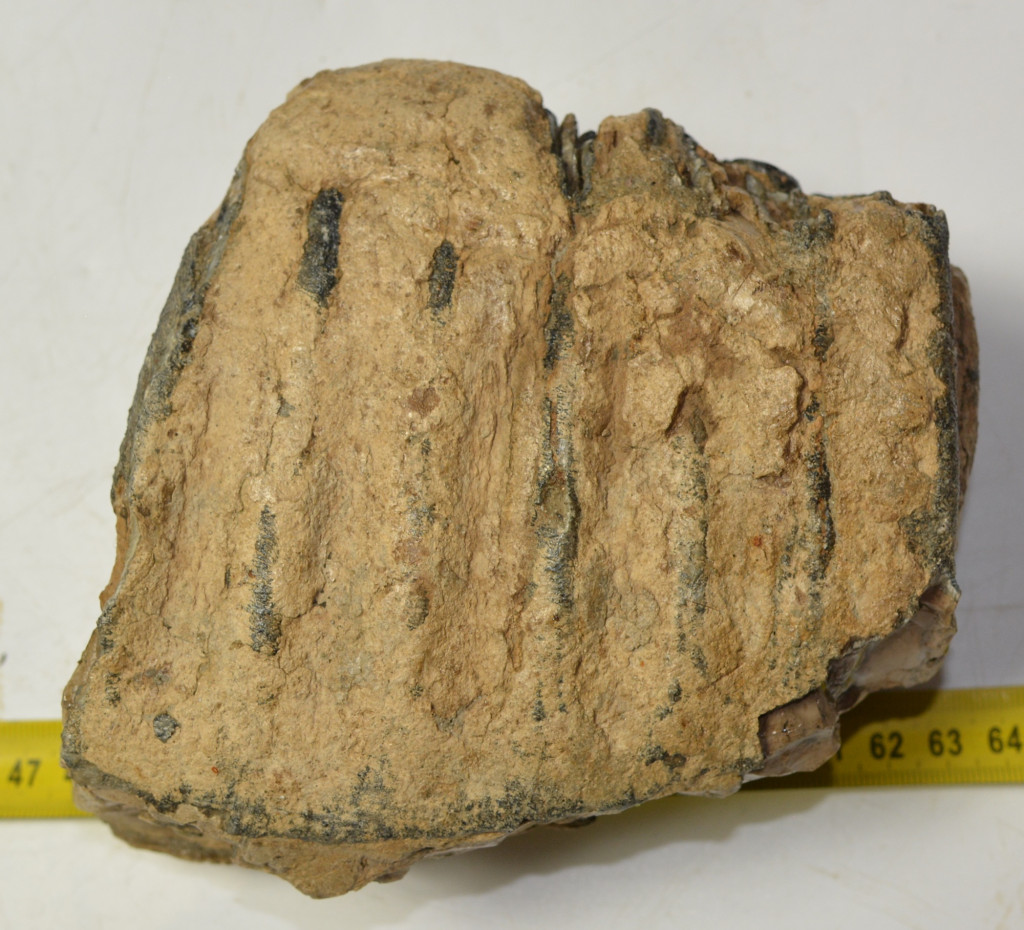
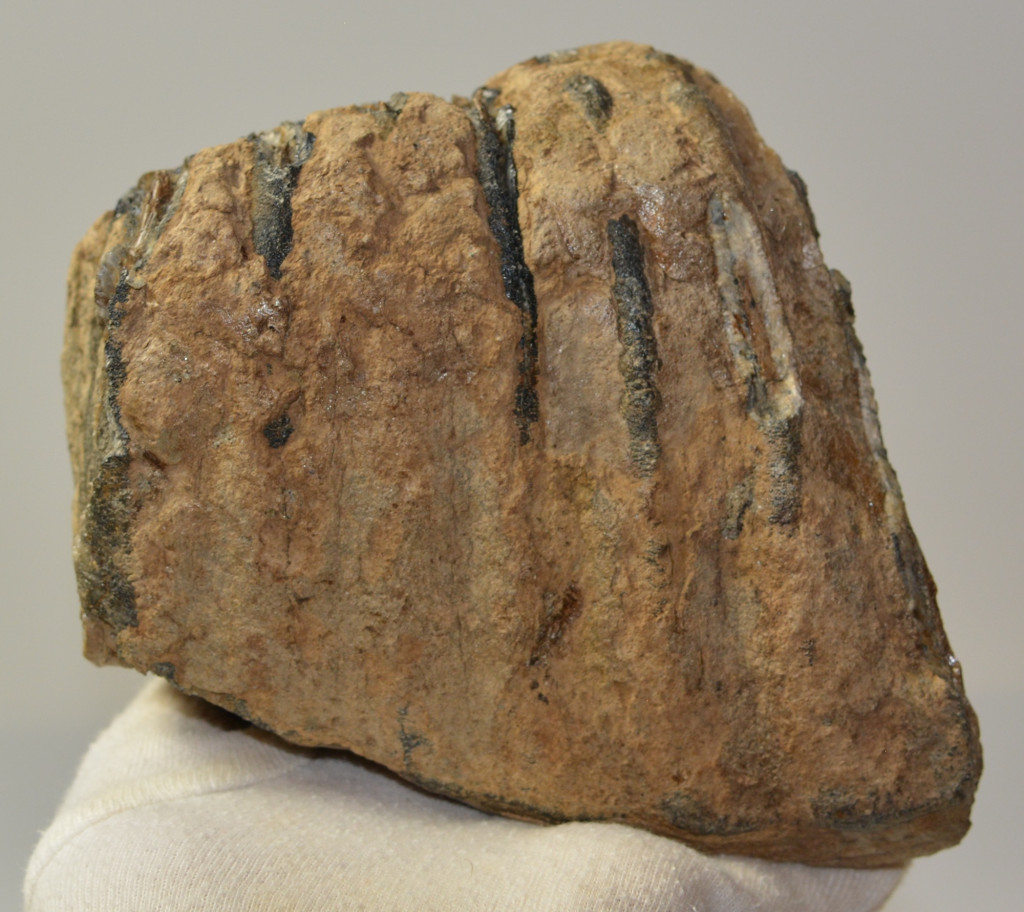
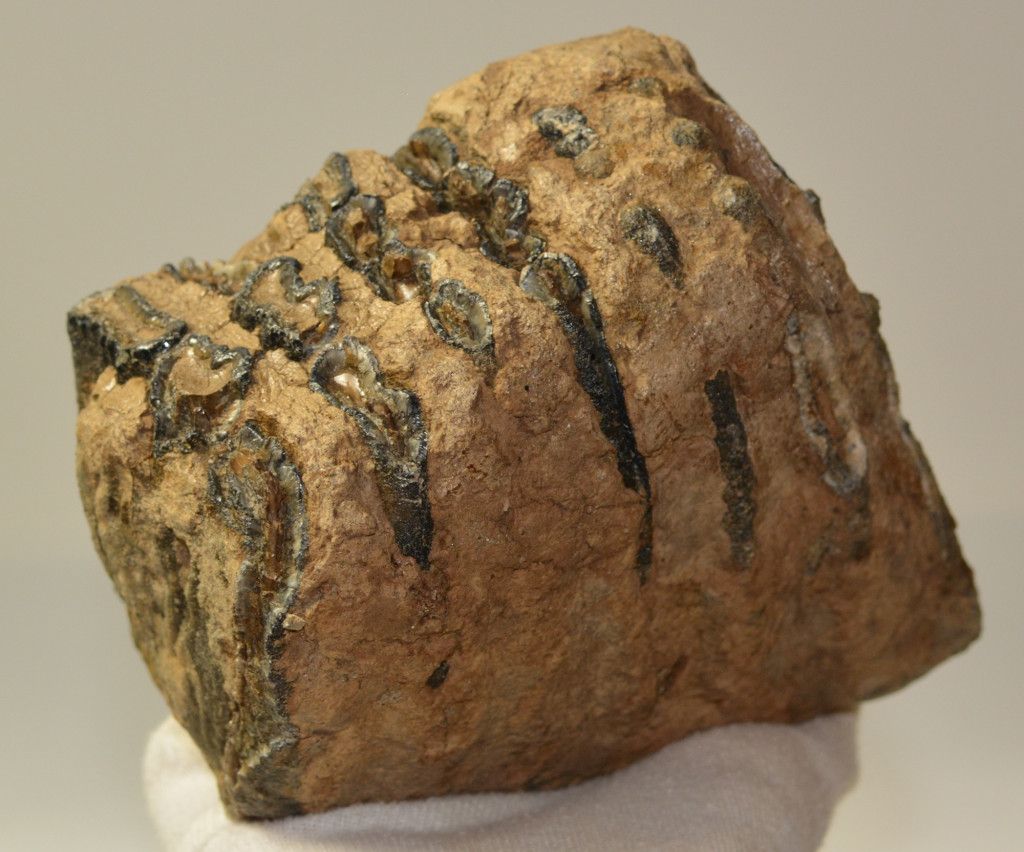
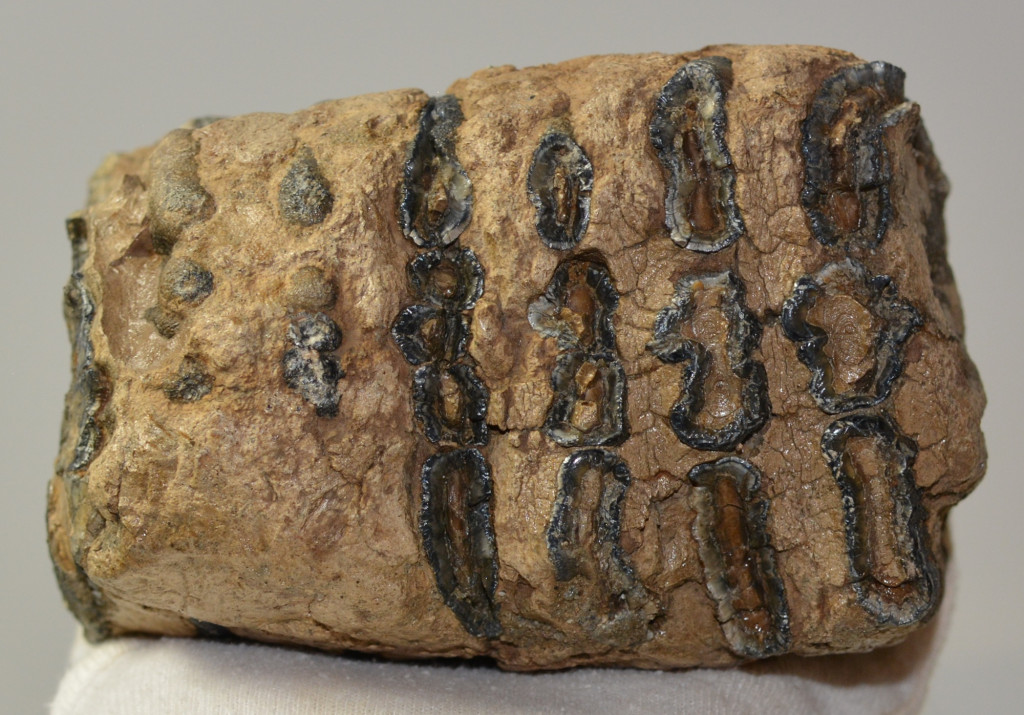
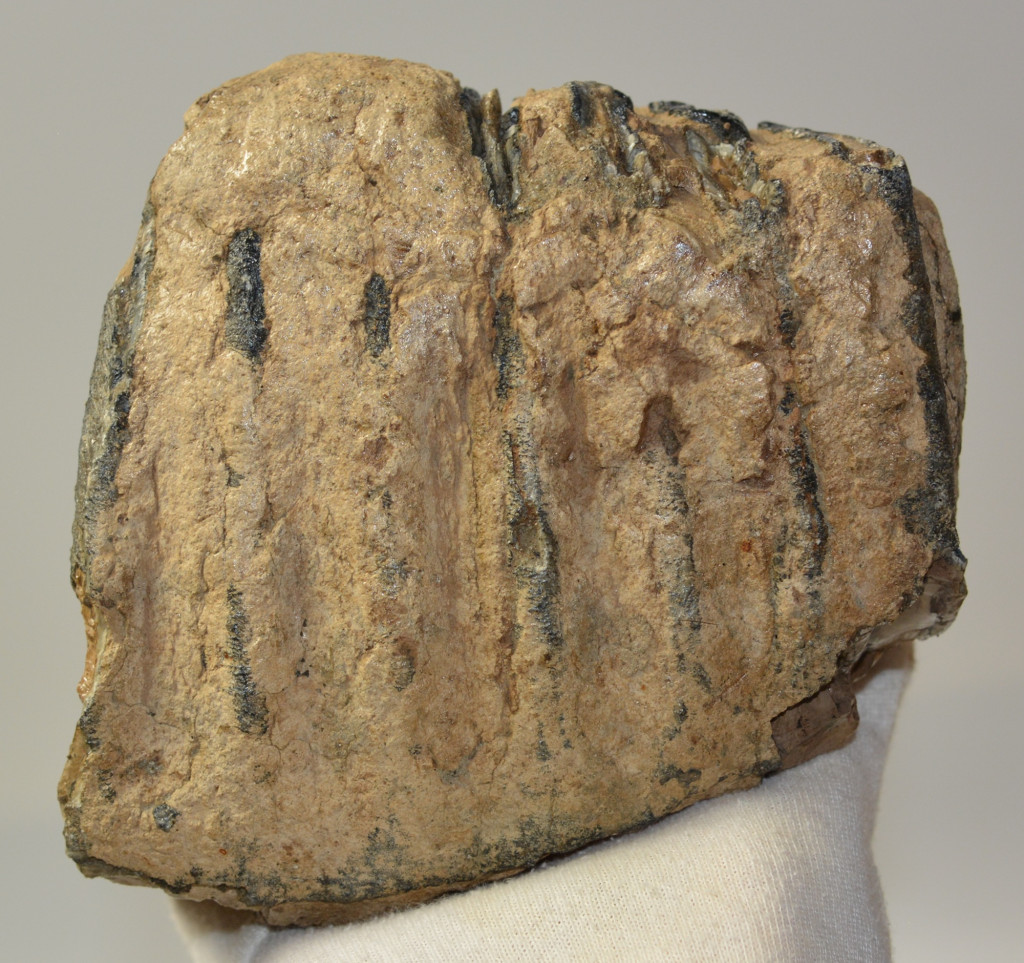
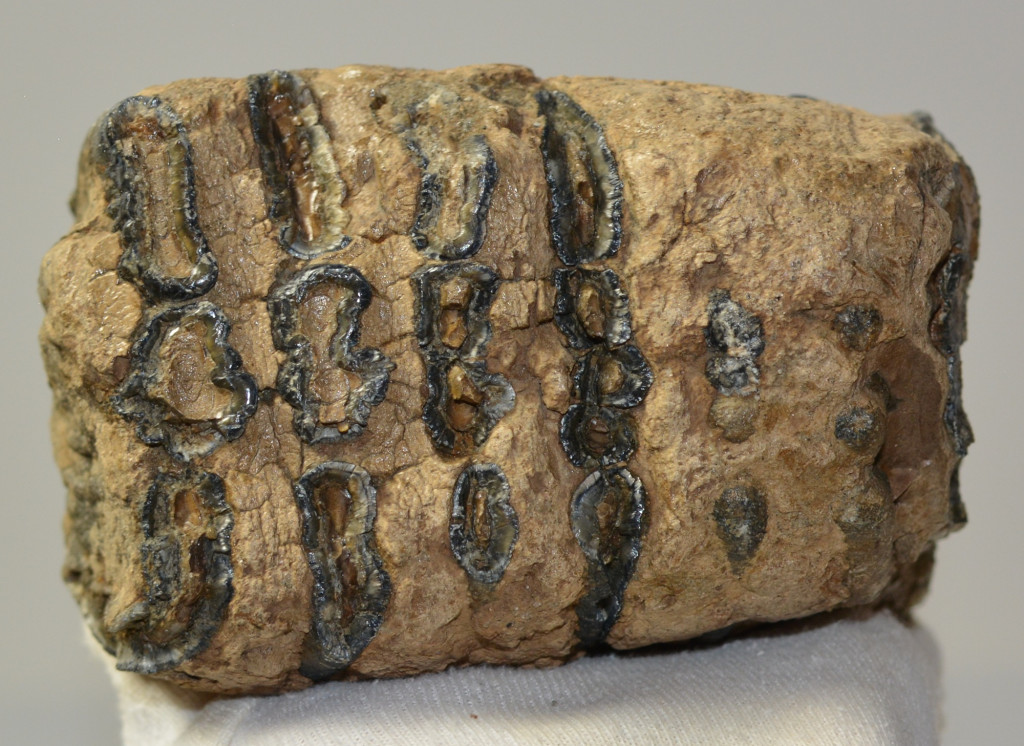
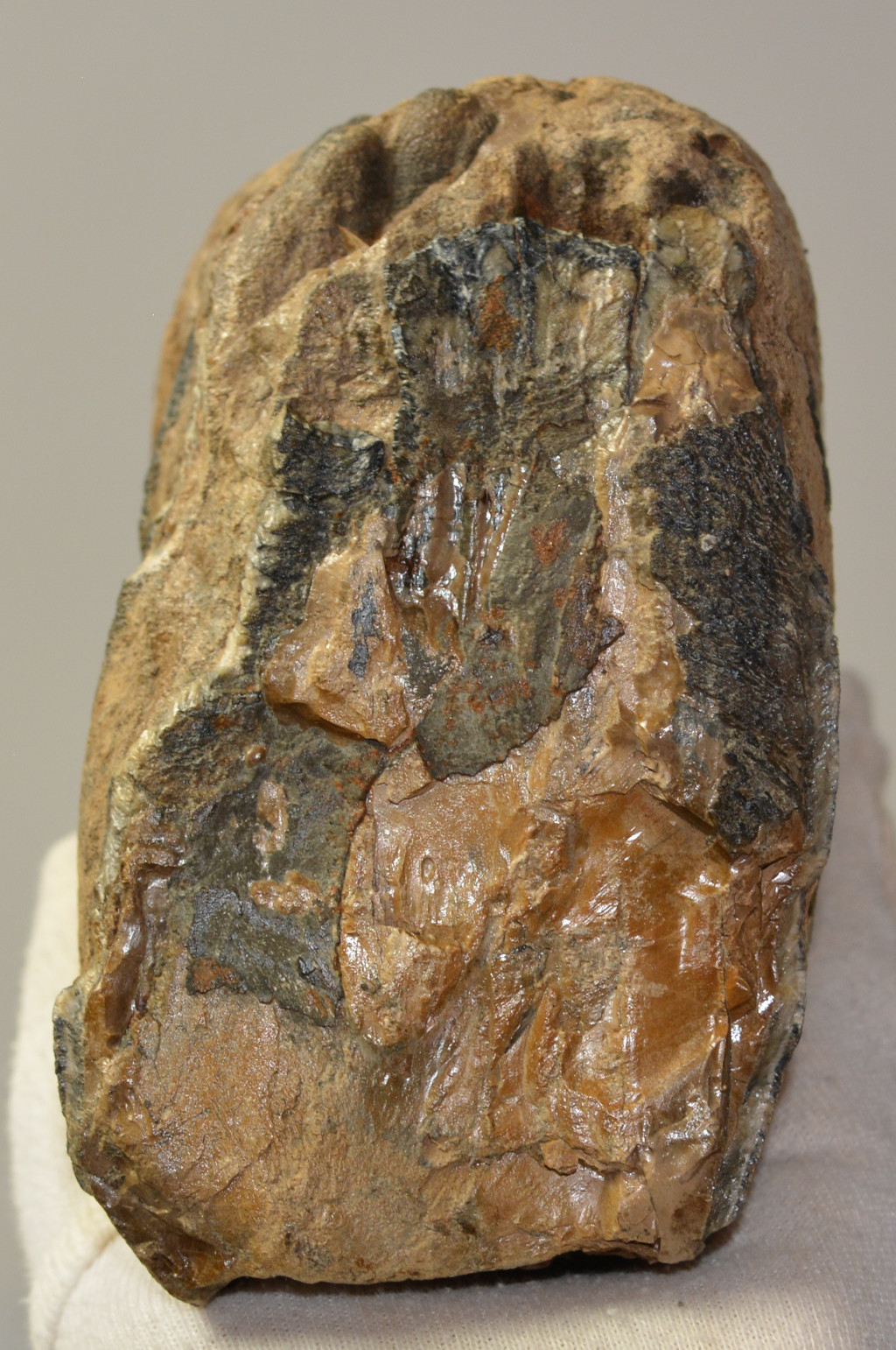
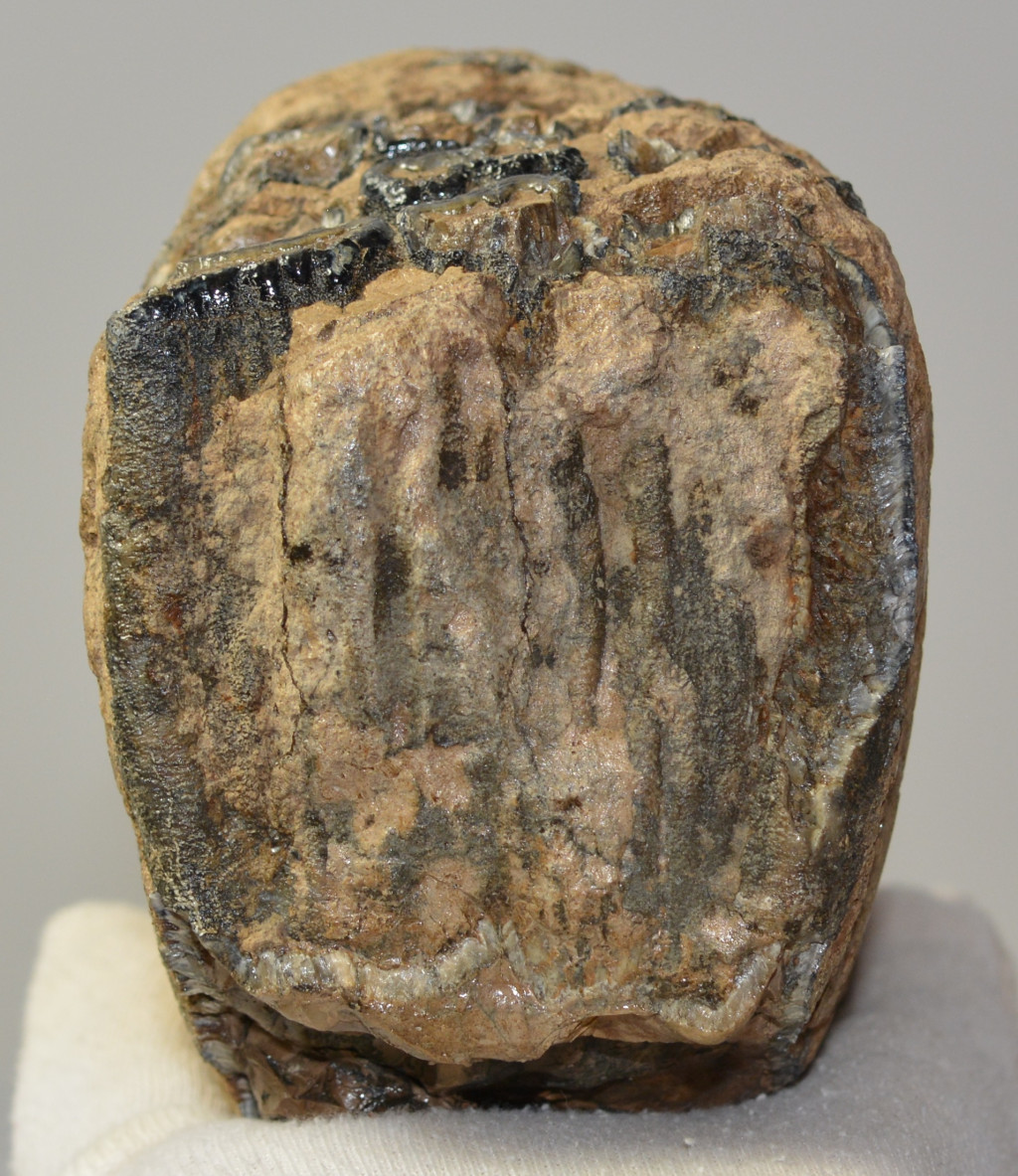
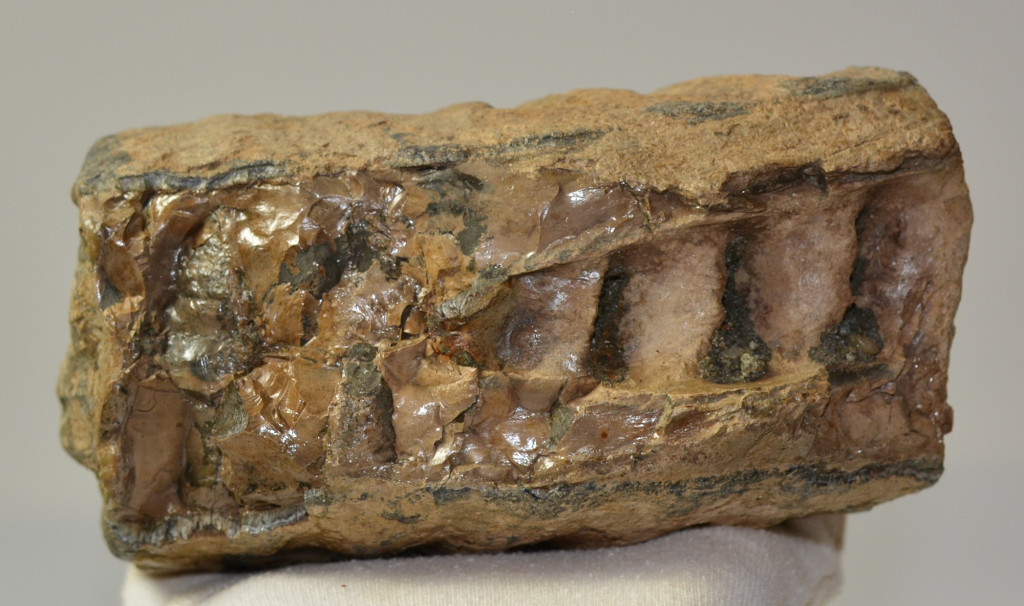
Partial tooth of Mammuthus meridionalis (southern mammoth). The mammoth fossil was unearthed during gravel mining in Pest County, Hungary. The tooth measures approximately: length 133 mm, height 136 mm, width 83 mm. Weight approximately: 1852 grams + packaging. The tooth surface is preserved with a substance called Polyvinyl Butyral 30 dissolved in ethanol.
"(Archidiscodon) Mammuthus meridionalis: Body dimensions: 3.5-4.2 m. Weight: approx. 7000 - 10000 Kg. Geological period: Lower Pleistocene, 2,500,000 - 550,000 years ago Geographical distribution: Europe (Western and Southern Europe)
This species is also called the "elephant of the south". It appears in the mammalian fauna of Europe with the Pleistocene, so it may even be a symbol of the beginning of the Quaternary. It is the earliest representative of true elephants. The appearance of this ancient elephant is reminiscent of the Indian elephant living today. Its back was almost straight, only slightly curved, while that of the African elephant living today slopes steeply from the front shoulder girdle. The tusks of the huge males bend slightly outwards at their base, then horizontally and at the same time in a lute shape towards the middle. The The tusks of females were much smaller, not curved upwards or inwards. Archidiscodon meridionalis was a savannah dweller, but also lived in sparse scrubland and forests; it did not inhabit the grassy steppes that could be called steppes.
